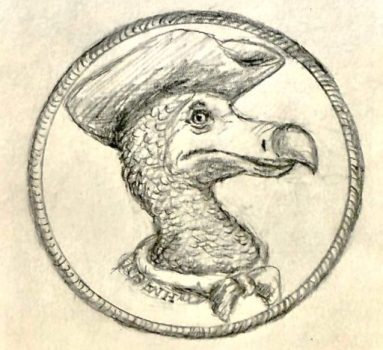

The dodo is among the most famous of extinct birds, with its massive beak, puffy tail and rudimentary wings. But we know surprisingly little about the big bird, and much of what we know is based on educated guesswork.
What we know: The dodo was a large flightless bird related to the pigeon. It existed only on the small Indian Ocean isle of Mauritius, where there were no natural predators. When colonists brought pigs, dogs, cats and rats with them, the birds were defenseless. So were their nests, which were on the ground and vulnerable to hungry critters. Within 80 or 90 years after being first discovered in 1598, the dodo had vanished. Despite their reputation for stupidity, dodos were probably at least as intelligent as pigeons, which can be trained to carry out demanding missions. Eons of life on an island without predators simply hadn’t conditioned them to adjust to the ravenous animals that suddenly appeared on their turf.
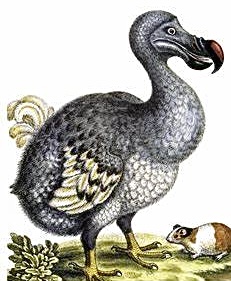
What we don’t know: There are no complete dodo skeletons or authentic mounted dodos in existence. (There are a couple of surviving skulls and feet, and some museums display re-creations using feathers from other birds.) As a result, we’re dependent on various 17th-century paintings and engravings to gain some idea of the dodo’s appearance. They were often portrayed as fat and ungainly, in a range of muted colors. Chances are that they were grayish with colorful beaks, and that they were slimmer and faster (and smarter) than we’ve come to expect. We have no idea what they sounded like.
 The Life of Jeremy Dodo